Good morning from Brussels. I’m Mared Gwyn with your last Europe Today newsletter before we go on a short break. We’ll be back next Tuesday.
The EU’s energy chief Dan Jørgensen has warned member states that energy prices could remain high even if a peace deal to end the war in Iran is struck swiftly, urging capitals to prepare for the “potentially prolonged disruption."
Euronews’ Marta Pacheco reports that EU countries may consider fuel rationing, remote work, and even “car-free Sundays”— a measure from the 1970s energy crisis — to curb oil and gas demand, as prices have surged 70% and 50%, respectively.
The warnings from Brussels suggest an increasing sense of nervousness over the economic repercussions of the conflict, as the reality of the looming crisis sets in. Marta has this handy explainer on the possible ramifications for Europe, and how countries are preparing.
Speaking to Europe Today earlier, Poland’s Secretary of State for Energy Wojciech Wrochna said his country had already reined in prices by introducing a price cap and slashing fuel taxes, and said Brussels should give EU capitals “flexibility” to “drive the measures”. Watch.
On Tuesday, US President Donald Trump said countries which had dismissed earlier US requests for support to re-open the Strait of Hormuz – and which now face potential jet fuel shortages – should “build up some delayed courage, go to the Strait and just take it (the oil)”.
It’s awakening fears that the US could withdraw from the conflict without a settlement that would guarantee the safe re-opening of the Strait to international trade. Trump said overnight from the Oval Office that the war could end in “two or three weeks” and is due to address the nation with an update late on Wednesday.
Trump has also lashed out at France, despite heaping praise on the country for its position on the war in recent weeks, claiming Paris had prevented US planes headed to Israel with military supplies from flying over its territory.
“France has been VERY UNHELPFUL with respect to the “Butcher of Iran,” who has been successfully eliminated! The U.S.A. will REMEMBER!!!” Trump wrote on Truth Social.
French President Emmanuel Macron’s office said in a statement that it was “surprised” by the US President’s remarks, but insisted that the decision was in line with “the French position since the start of this conflict”. Since early March, the French armed forces have said it would only authorise the use of US bases on French territory for defensive purposes.
Speaking from Japan earlier today, Macron hailed Europe’s “predictability” despite its perceived “slowness”, criticising countries which may go faster but could “hurt you without even informing you”, in an apparent jab at the Trump administration.
Secretary of State Marco Rubio told Fox News last night that the US will need to "examine" its relationship with NATO in the aftermath of the war, amid signs that the existing fractures between Washington and other allies have deepened dramatically since the start of the Iran conflict.
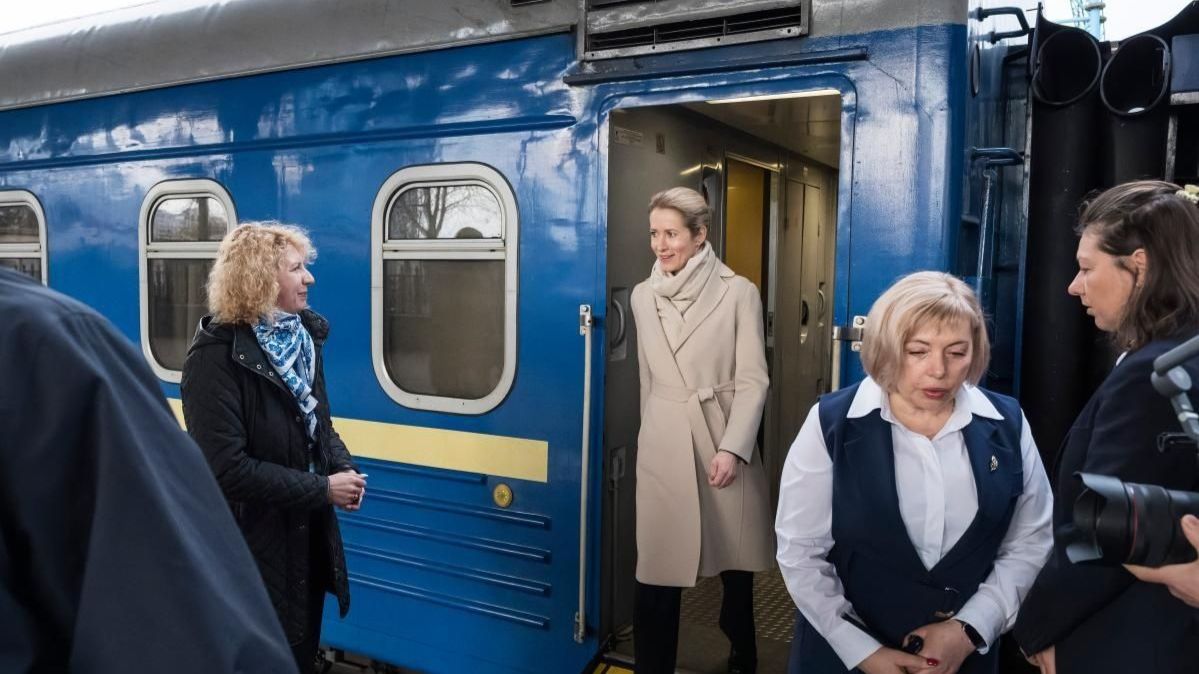
Meanwhile, EU foreign ministers held symbolic talks in Ukraine on Tuesday as they scramble to keep attention on the war-torn country amid the conflict in the Middle East, which risks out draining out military stockpiles and fueling Moscow’s warchest as countries look for alternatives amid global oil and gas disruption.
Speaking to Europe Today from Kyiv, Romanian Foreign Minister Oana Țoiu said the relationship between Ukraine and the EU is a “good” and “strong partnership”, despite President Zelenskyy recently drumming a series of deals with Gulf countries amid uncertainty over Western support.
With the EU’s pivotal €90 billion loan for Ukraine still in deadlock due to Hungary’s veto, Țoiu said that the EU needs “better instruments” to enable “faster decisions” on foreign policy.
|