Your weekly insight on European rulemaking, policy issues, key events, and data trends
 ͏  ͏  ͏  ͏  ͏  ͏  ͏  ͏  ͏  ͏  ͏  ͏  ͏  ͏  ͏  ͏  ͏  ͏  ͏  ͏  ͏  ͏  ͏  ͏  ͏  ͏  ͏  ͏  ͏  ͏  ͏  ͏  ͏  ͏  ͏  ͏  ͏  ͏  ͏  ͏  ͏  ͏  ͏  ͏  ͏  ͏  ͏  ͏  ͏  ͏  ͏  ͏  ͏  ͏  ͏  ͏  ͏  ͏  ͏  ͏  ͏  ͏  ͏  ͏  ͏  ͏  ͏  ͏  ͏  ͏  ͏  ͏  ͏  ͏  ͏  ͏  ͏  ͏  ͏  ͏  ͏  ͏  ͏  ͏  ͏  ͏  ͏  ͏  ͏  ͏  ͏  ͏  ͏  ͏  ͏  ͏  ͏  ͏  ͏  ͏  ͏  ͏  ͏  ͏  ͏  ͏  ͏  ͏  ͏  ͏  ͏  ͏  ͏  ͏  ͏  ͏  ͏  ͏  ͏  ͏  ͏  ͏  ͏  ͏  ͏  ͏  ͏  ͏  ͏  ͏  ͏  ͏  ͏  ͏  ͏  ͏  ͏  ͏  ͏  ͏  ͏  ͏  ͏  ͏  ͏  ͏  ͏  ͏  ͏  ͏  ͏  ͏  ͏  ͏  ͏  ͏  ͏  ͏  ͏  ͏  ͏  ͏  ͏  ͏  ͏  ͏  ͏  ͏ ­ ­ ­ ­ ­ ­ ­ ­ ­ ­ ­ ­ ­ ­ ­ ­ ­ ­ ­ ­ ­ ­ ­ ­ ­ ­ ­ ­ ­ ­ ­ ­ ­ ­ ­ ­ ­ ­ ­ ­ ­ ­ ­ ­ ­ ­ ­ ­ ­ ­ ­ ­ ­ ­ ­ ­ ­ ­ ­ ­ ­ ­ ­ ­ ­ ­ ­ ­ ­ ­ ­ ­ ­ ­ ­ ­ ­ ­ ­ ­ ­ ­ ­ ­ ­ ­ ­ ­ ­ ­ ­ ­ ­ ­ ­ ­ ­ ­ ­ ­ ­ ­ ­ ­ ­ ­ ­ ­ ­ ­ ­ ­ ­ ­ ­ ­ ­ ­ ­ ­ ­ ­ ­ ­ ­ ­ ­ ­ ­ ­ ­ ­ ­ ­ ­ ­ ­ ­ ­ ­ ­ ­ ­ ­ ­ ­ ­ ­ ­ ­ ­ ­ ­ ­ ­ ­ ­ ­ ­ ­ ­ ­ ­ ­ ­ ­ ­ ­  

View in browser /

 Manage your newsletters

The Policy Briefing

MEPs face tough call on resuming work on frozen EU-US trade deal


This week's key events presented by Euronews’ reporter Peggy Corlin & Marta Pacheco

Key diary dates

  • Monday, February 2

European Court of Auditors’ report on critical raw materials supply 


European Commissioner Maria Luís Albuquerque participates in the Second Academic Dialogue on Developing a European Savings and Investments Union

  • Monday, February 2 - Tuesday, February 3

Informal meeting of competitiveness ministers 

  • Tuesday, February 3 

The 3rd Annual European Blue Economy Conference, Brussels  


High Representative VP Kaja Kallas speaks at the Arctic Frontiers Conference 2026, Norway

  • Tuesday, 3 February - Thursday, 5 February

World Governments Summit 2026, Dubai

  • Wednesday, February 4 - Thursday, February 5

Informal meeting of environment ministers in Lefkosia, Cyprus 

  • Wednesday, February 4 

MEPs vote on resumption of the implementation of the EU-US trade agreement


In Spotlight 

EU-US Deal: Will MEPs choose pragmatism or put up a fight?


Good morning, everyone. Peggy Corlin here reporting from Brussels.  


Two weeks after US President Donald Trump dropped his threat to impose tariffs on EU countries that refused to let him acquire Greenland, EU lawmakers must decide this week whether to resume enforcement of the EU-US trade deal sealed last summer by Commission President Ursula von der Leyen and Trump.


Some political groups, including the Socialists & Democrats and liberals from Renew, pushed last week to delay the vote, seeking greater clarity on the agreement struck between NATO Secretary General Mark Rutte and Trump over the Arctic island.


The EU-US deal, clinched in July 2025, sets US tariffs on EU exports at 15% while committing Brussels to cut its own duties on US goods to zero. Widely seen as unbalanced, the agreement was defended by the European Commission as the least costly way to end weeks of trade tensions with Washington.


MEPs, who still need to pass legislation to implement the accord, argued Trump had breached the deal by reviving tariff threats linked to Denmark’s autonomous territory.


Pressure is now mounting from EU leaders, who at an extraordinary summit on 22 January urged lawmakers to restart enforcement. On 4 February, MEPs must choose between the center-right EPP, which wants to move ahead to restore certainty for businesses, and the center-left, wary of granting concessions amid Trump’s unpredictability.


Adding to the complex scenario, the US continues to levy 50% tariffs on EU steel and aluminium and 15% on other goods. Washington has signaled it is open to talks on lowering metal duties and carving out exemptions to the 15% cap — including for wine and spirits — but only if Brussels delivers on its side of the deal.


Faced with that reality, lawmakers may opt for pragmatism, favouring targeted amendments to shield EU markets from Washington’s volatile trade tactics rather than prolonging uncertainty with further delays.


Stay tuned and follow all the latest updates on Euronews.com


Why this ad?

Newsmakers

euronews-policy-briefing-newsletter

Reality check for the EU’s climate neutrality by 2050 goal – critical raw materials in focus

The European Court of Auditors (ECA) will present its latest audit on the supply of critical raw materials on Monday afternoon, a much-anticipated report conducted by ECA’s auditor Keit Pentus-Rosimannus, that will shed light on the economic realities and feasibility of the European Union’s capacity to deliver on the energy and climate transition.


European Commission Vice President Stéphane Séjourné announced a de-risking strategy last December to diversify supply abroad, given the bloc’s heavy reliance on China for key minerals and the United States’ rush to stockpile critical materials. Beijing accounts for 99% of the EU’s supply of the 17 strategic rare earths and 98% of its rare earth permanent magnets. The French Commissioner said that a new series of projects would be presented early in 2026 to help the Commission flesh out a strategy for 2030 but maintained that “dialogue with China remains essential”.


“Europe is trying to derisk its critical raw materials, as the United States has been pursuing a decoupling strategy for a few months. They’re trying to store up raw materials — from the United States and beyond — and for us it’s important to have the right organisation and financial tools to be effective when it comes to derisking,” Séjourné told reporters.


Under the Critical Raw Materials Act (CRMA), the EU27 is due to boost domestic extraction of strategic raw materials to cover 10% of its needs by 2030. Targets have also been set to refine raw materials (40%) and recycle (15%) by 2030. The Commission is also slated to launch a critical raw materials center by the summer, which will serve as the main operational hub to map and assess the status of all suppliers.


More than 160 projects applied in December to the Commission’s second call for funding under the CRMA, designed to diversify the supply of key elements like lithium, cobalt or graphite — all deemed crucial for the development of batteries for electric vehicles, wind turbines or solar panels, technologies in high demand to deliver the EU’s goal of climate neutrality by mid-century.

Policy Poll

Should the European Union recognise the Islamic Revolutionary Guard Corps as a terrorist organisation? 


Yes  

No  

Vote

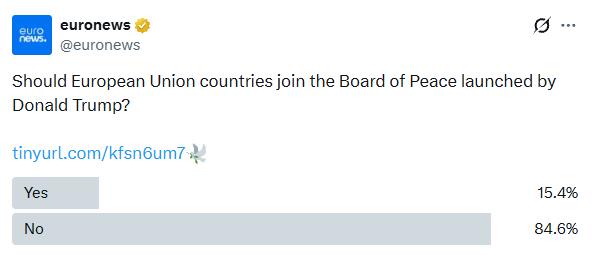
Previous Poll results: 


euronews-policy-briefing-newsletter

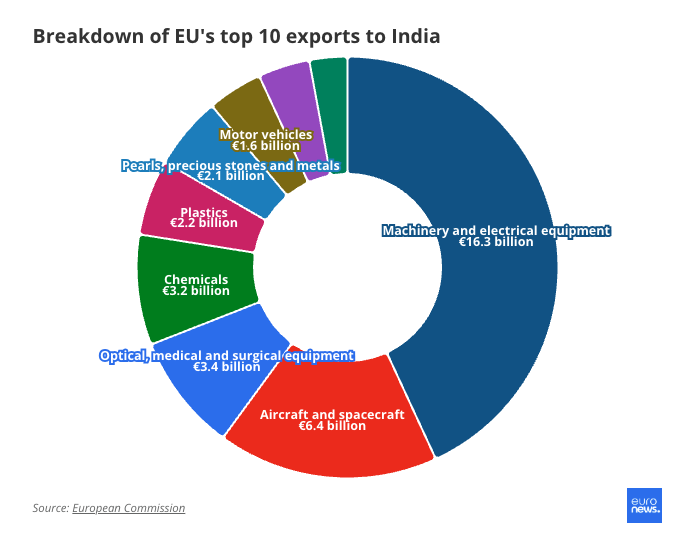
Data brief 

euronews-policy-briefing-newsletter

More Policy News

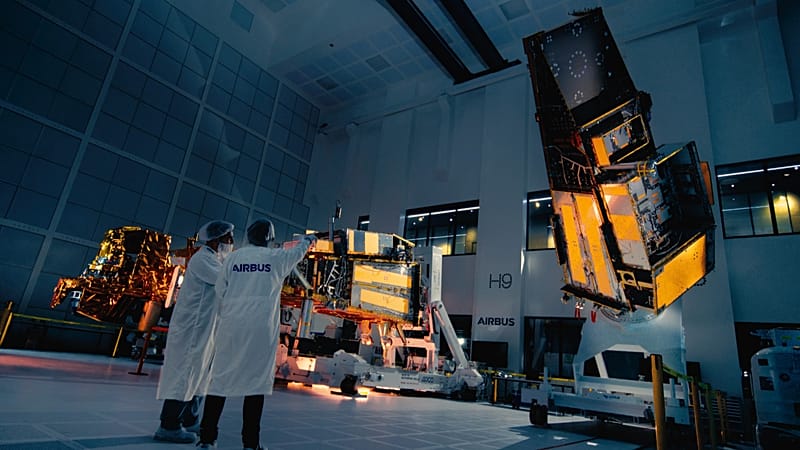
Airbus defence chief: Europe could make 'quantum leap' in space but must abandon 'grand schemes'

Read the article


Why this ad?

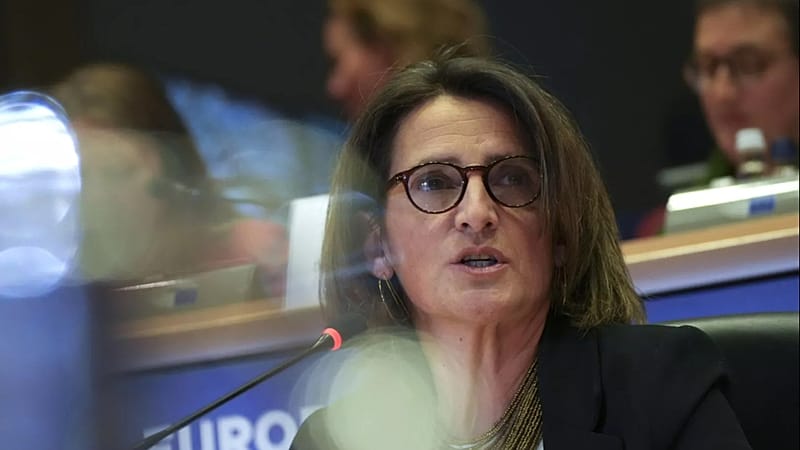
EU Competition chief defends 'discreet' handling of big tech cases under digital rules

Read the article

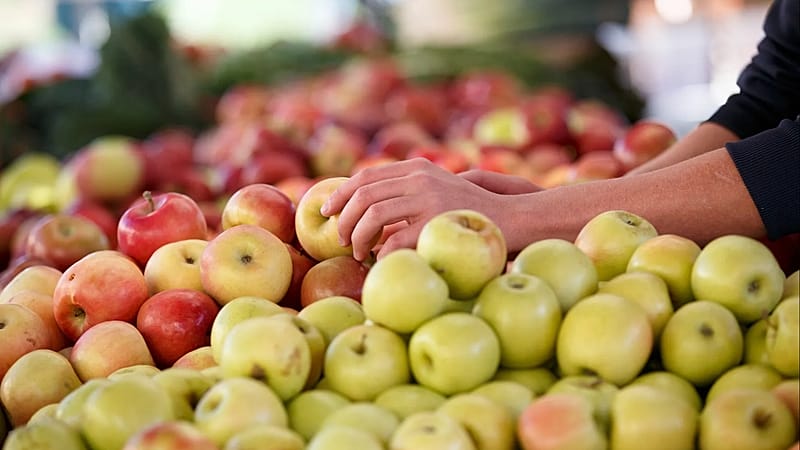
European apples tainted with 'pesticide cocktails', new study claims

Read the article