Every week The Briefing takes you across the continent with just one click

View in browser /

 Manage your newsletters

TheWatch

After the storm, an uneasy lull

By Jorge Liboreiro


After surviving a week that almost rewrote the annals of history, Europeans are back to work as if nothing had happened. Well, not exactly.


The aftermath of Donald Trump’s annexationist threats looms like a phantom. Some cannot wait to forget what happened and move on to other businesses, like the joint work on security guarantees for Ukraine. Others believe the episode should be engraved in collective memory and be hailed as a fundamental lesson on how to close ranks and defend sovereignty.


“The rhetoric during the last couple of weeks has really harmed the trust within the alliance, and I hope that we can put that behind us,” Swedish Foreign Minister Maria Malmer Stenergard said on Thursday morning.


“What is absolutely clear is that Sweden and Europe need to invest a lot more in our own defence,” she added. “Europe is really worth defending.”


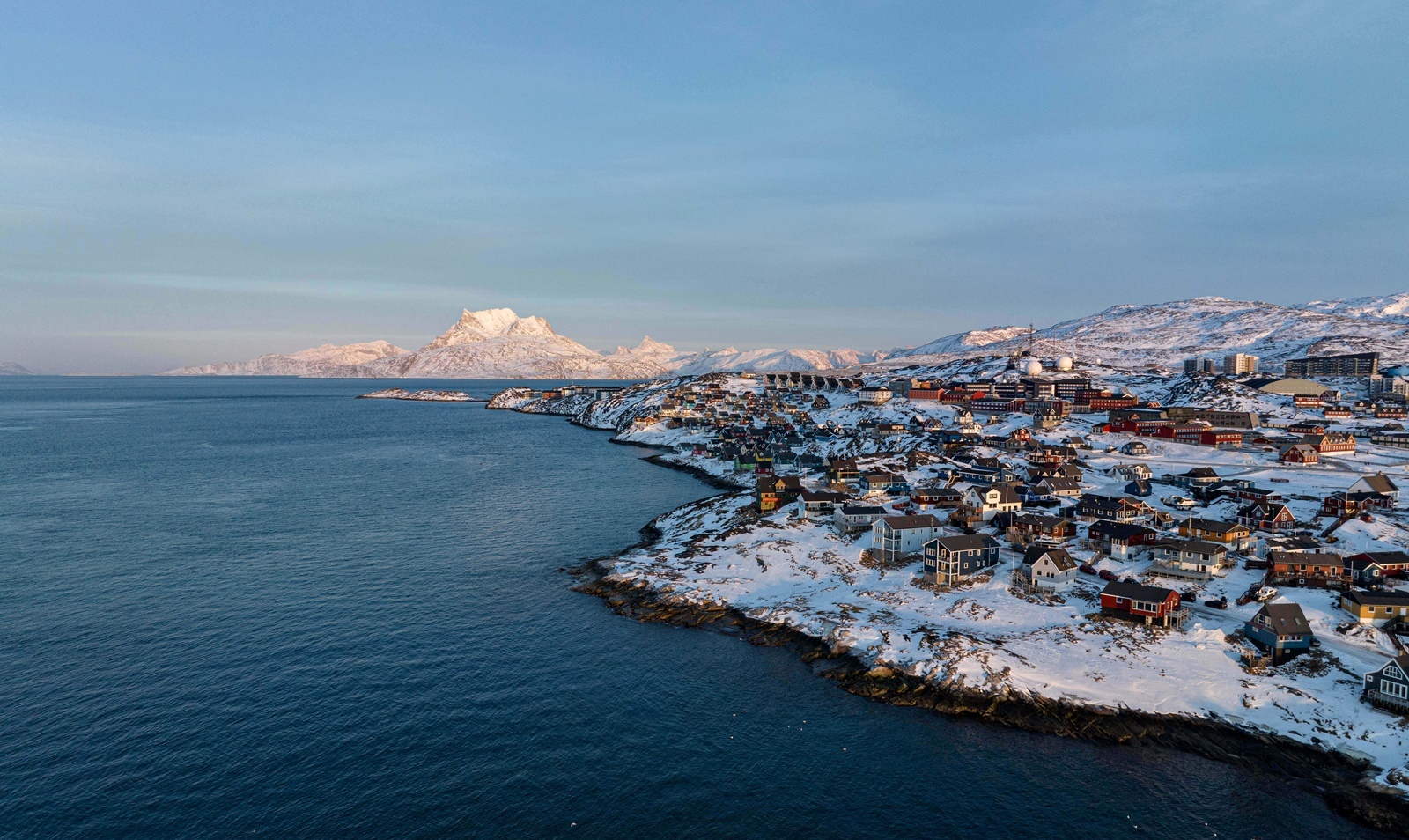
Calls for greater European independence have grown in the days following the Greenland crisis. The EU has rolled out multi-billion-euro initiatives to rapidly rearm, promote home-made weaponry and achieve full defence readiness by 2030. These efforts have now been infused with a new sense of urgency.


But the ambitious pitch was given the cold shoulder by none other than NATO Secretary General Mark Rutte, the man who brokered the framework deal that convinced Trump to abandon his tariff threats.


“If anyone thinks here, again, that the European Union, or Europe as a whole, can defend itself without the US, keep on dreaming. You can’t. We can’t. We need each other,” Rutte said during an exchange with members of the European Parliament.


Rutte then argued that European nations would have to spend 10% of their GDP, rather than 5% as is foreseen in the collective objective, to make up for the loss of Washington’s backing.


“You’d have to build up your own nuclear capability. That costs billions and billions of euros,” he said. “In that scenario, you would lose the ultimate guarantor of our freedom, which is the US nuclear umbrella. So, hey, good luck!”


It didn’t take long for Rutte’s remarks to go viral. Clips of the exchange spread like wildfire on social media, with users divided on whether he was right or wrong. In France, a staunch advocate of “strategic autonomy” and the “Made In Europe” preference, the reaction was particularly vitriolic.


“No, dear Mark Rutte. Europeans can and must take charge of their own security. Even the United States agrees. It is the European pillar of NATO,” said French Foreign Minister Jean-Noël Barrot.


Andrius Kubilius, the European Commissioner for Defence, was more conciliatory. He said that he agreed with Rutte when it came to the importance of the US nuclear umbrella. But, he added, on conventional defence, this is where Europe “needs to be ready to defend ourselves with much less of America”.


The reaction to Rutte’s comments, driven partially by facts and partially by emotions, encapsulated the anxiety left behind by the Greenland crisis. Europeans are seeing the cracks in the transatlantic alliance with indisputable clarity. This is a reason for deep concern, given the major threat posed by Russia next door. But it’s also a driver for change, a rallying cry for European self-reliance. 


For defenders, Rutte’s “keep on dreaming” is a much-needed reality check that should be taken into account. For critics, it’s a mockery of Europe’s collective impetus, which, it must be noted, is costing billions in taxpayers’ money. Rutte’s insistence that he’ll defend Trump when he’s “doing good stuff” added insult to injury so soon after the extraordinary assault on Denmark’s sovereignty.


What’s clear is that something has changed. What’s unclear is how big, lasting and profound this change will be in practice. Foreign policy crises always have an immediate impact that is easily perceived, followed by knock-on effects that need more time to grow, ripen and germinate. 


“Europe is no longer Washington’s primary centre of gravity,” High Representative Kaja Kallas said in a speech this week. “This shift has been ongoing for a while. It’s structural, not temporary. It means that Europe must step up. No great power in history has ever outsourced its survival and survived.”


Why this ad?

WHAT ELSE IS GOING ON?

🟦 MOUNTING PRESSURE

EU countries have achieved the necessary unanimity to designate the Islamic Revolutionary Guard Corps of Iran as a terrorist organisation in reaction to the violent crackdown on protesters. The decision, which is a symbolic gesture of repudiation, was made possible after France and Spain lifted their reservations. Meanwhile, Trump said Tehran should “come to the table” or face a new attack. The verbal threat was enough to push oil prices up.


🟦 ‘THE MOTHER OF ALL DEALS’

The European Union scored a geopolitical win this week after concluding a free trade deal with India, the world’s fourth-largest economy. Both sides hailed it as “the mother of all deals” due to its scope (two billion consumers) and potential for shared growth. The achievement, 20 years in the making, offers a sharp contrast to Donald Trump’s prohibitive tariffs. From cars to olive oil, the deal intends to gradually slash tariffs on thousands of products. Piero Cingari explains what’s inside.


🟦 GROWING CLOSER

The EU-India trade deal isn’t just about economics. “It’s essential to provide predictability to engage in cooperation instead of confrontation,” European Council President António Costa told Maria Tadeo, who travelled to New Delhi to cover the ceremony. “We are living in a multipolar world. And in this world, we need to underpin the multilateral system,” Costa said. Watch the full interview.


🟦 THE TRUTH OF IT

As Brussels celebrates its trade deal with India, it’s trying to salvage its agreement with Mercosur after the European Parliament voted in favour of a judicial review. Some MEPs have claimed that liberalising commerce with Latin America would degrade environmental standards and open the door to “toxic” food imports. How much of this is true? Our fact checkers got to work.


🟦 THE TROUBLE WITH ICE

With tensions running high in the US after the killing of Alex Pretti in Minneapolis, the outrage has crossed the pond after it was confirmed that Immigration and Customs Enforcement (ICE) agents will play a security role during the Milan-Cortina Winter Olympics. Progressive lawmakers have called on the EU institutions to deny entry to ICE, Vincenzo Genovese reports.


🟦 A BRUTAL RACE

The US has produced 40 AI foundation models. China has developed 15. All of Europe combined has created just three. While the US and China invest billions in infrastructure, talent, startups, labs and research, Europe remains focused on rules. Policy burdens and fragmentation across 27 member states create major hurdles: progress is inconsistent, talent leaves, and capital goes elsewhere. Leticia Batista unpacks the grim numbers and the harsh reality.

🟦 BYE BYE, TEAMS

France intends to replace the American platforms Microsoft Teams and Zoom with its own domestically developed video conferencing platform, called Visio, which will be used in all government departments by 2027.


Why this ad?

IT'S IN THE NUMBERS

The European Investment Bank expects to spend at least €4 billion on security and defence projects in 2026 – the same as it did last year after effectively quadrupling its financing in the area. The bank spent 5% of its financing in the bloc on security and defence projects in 2025.

FEEDBACK

How satisfied are you with The Briefing newsletter?

EDITOR’S CHOICE

The Doomsday Clock is ticking faster


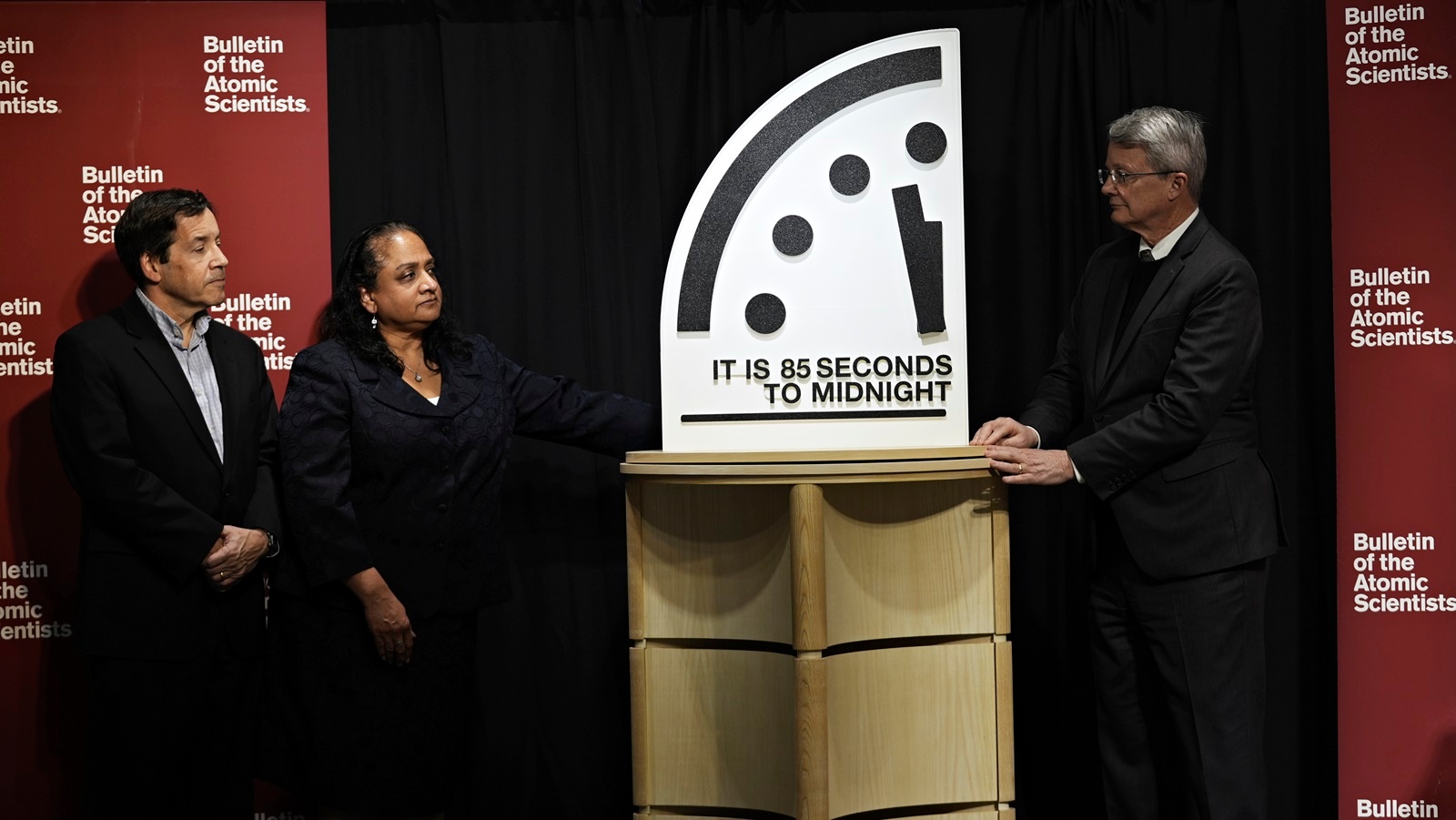
The Doomsday Clock has ticked forward once again, as the world edges closer to global catastrophe fuelled by nuclear weapons, disinformation and climate change. Created in 1945 by Albert Einstein and J. Robert Oppenheimer after the creation of the atomic bomb, the Doomsday Clock acts as a poignant metaphor of the threat of human-made technologies, with the approach of midnight signifying the apocalypse. The countdown was originally set at seven minutes to midnight and has been set backwards eight times. Now, it sits at just 85 seconds to midnight. Recent setbacks in climate action, such as Trump’s crusade against renewable energy, a rise in emissions due to the AI boom and a disappointing COP30 in Brazil, have further amplified the sense of emergency. Liam Gilliver searches for ways to slow down the Doomsday Clock.

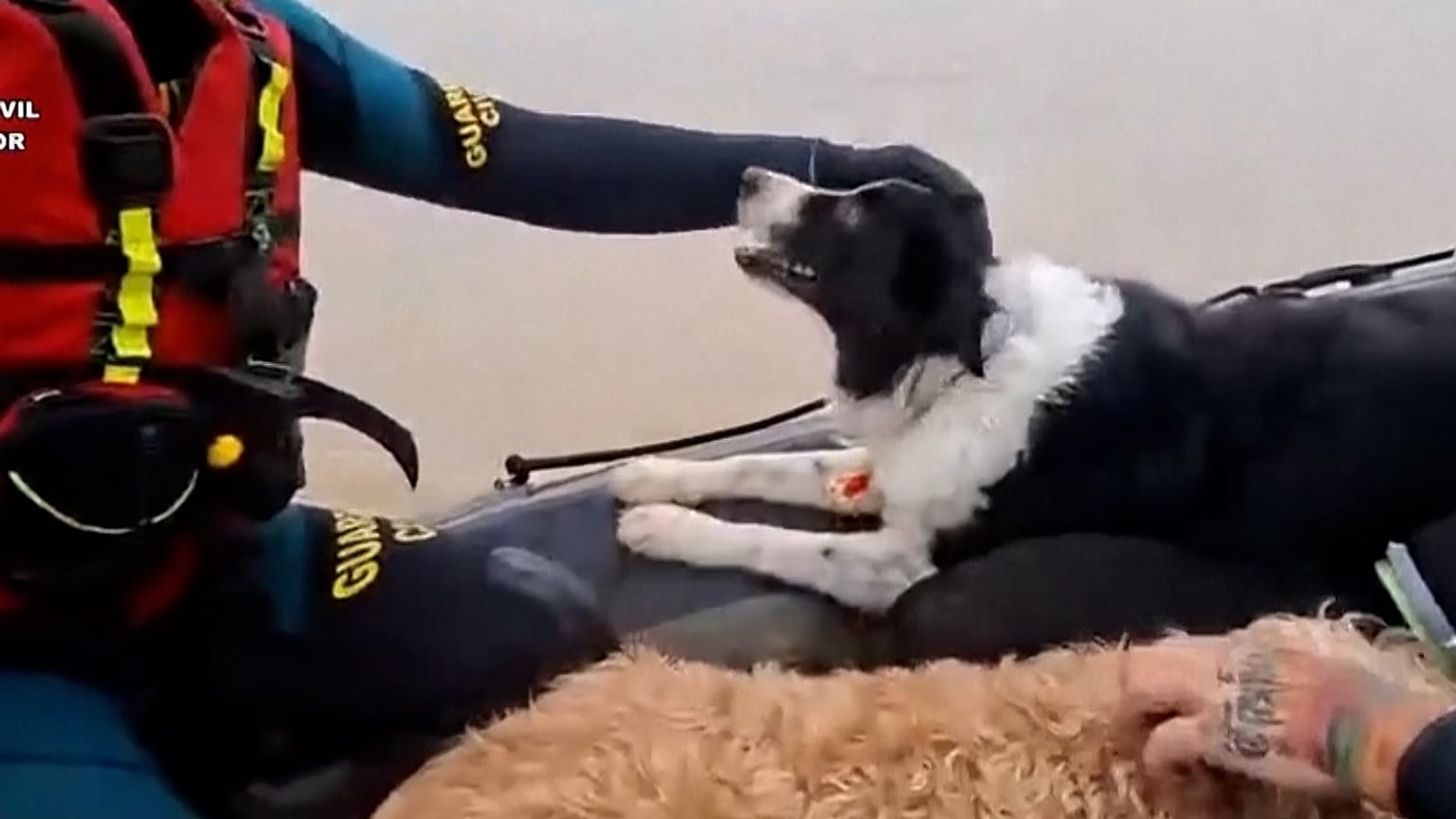
Spain's Civil Guard rescued several cats and dogs after floodwaters submerged homes in Jerez de la Frontera.