Your weekly insight on European rulemaking, policy issues, key events, and data trends.
 ͏  ͏  ͏  ͏  ͏  ͏  ͏  ͏  ͏  ͏  ͏  ͏  ͏  ͏  ͏  ͏  ͏  ͏  ͏  ͏  ͏  ͏  ͏  ͏  ͏  ͏  ͏  ͏  ͏  ͏  ͏  ͏  ͏  ͏  ͏  ͏  ͏  ͏  ͏  ͏  ͏  ͏  ͏  ͏  ͏  ͏  ͏  ͏  ͏  ͏  ͏  ͏  ͏  ͏  ͏  ͏  ͏  ͏  ͏  ͏  ͏  ͏  ͏  ͏  ͏  ͏  ͏  ͏  ͏  ͏  ͏  ͏  ͏  ͏  ͏  ͏  ͏  ͏  ͏  ͏  ͏  ͏  ͏  ͏  ͏  ͏  ͏  ͏  ͏  ͏  ͏  ͏  ͏  ͏  ͏  ͏  ͏  ͏  ͏  ͏  ͏  ͏  ͏  ͏  ͏  ͏  ͏  ͏  ͏  ͏  ͏  ͏  ͏  ͏  ͏  ͏  ͏  ͏  ͏  ͏  ͏  ͏  ͏  ͏  ͏  ͏  ͏  ͏  ͏  ͏  ͏  ͏  ͏  ͏  ͏  ͏  ͏  ͏  ͏  ͏  ͏  ͏  ͏  ͏  ͏  ͏  ͏  ͏  ͏  ͏  ͏  ͏  ͏  ͏  ͏  ͏  ͏  ͏  ͏  ͏  ͏  ͏  ͏  ͏  ͏  ͏  ͏  ͏ ­ ­ ­ ­ ­ ­ ­ ­ ­ ­ ­ ­ ­ ­ ­ ­ ­ ­ ­ ­ ­ ­ ­ ­ ­ ­ ­ ­ ­ ­ ­ ­ ­ ­ ­ ­ ­ ­ ­ ­ ­ ­ ­ ­ ­ ­ ­ ­ ­ ­ ­ ­ ­ ­ ­ ­ ­ ­ ­ ­ ­ ­ ­ ­ ­ ­ ­ ­ ­ ­ ­ ­ ­ ­ ­ ­ ­ ­ ­ ­ ­ ­ ­ ­ ­ ­ ­ ­ ­ ­ ­ ­ ­ ­ ­ ­ ­ ­ ­ ­ ­ ­ ­ ­ ­ ­ ­ ­ ­ ­ ­ ­ ­ ­ ­ ­ ­ ­ ­ ­ ­ ­ ­ ­ ­ ­ ­ ­ ­ ­ ­ ­ ­ ­ ­ ­ ­ ­ ­ ­ ­ ­ ­ ­ ­ ­ ­ ­ ­ ­ ­ ­ ­ ­ ­ ­ ­ ­ ­ ­ ­ ­ ­ ­ ­ ­ ­ ­  

View in browser /

 Manage your newsletters

The Policy Briefing

EU Autumn Package to be unveiled

This week's key events presented by Euronews’ reporters Paula Soler and Marta Pacheco. 

Key diary dates

  • Monday 24 November 

    European Parliament plenary season kicks off in Strasbourg  

    Foreign Affairs Council- Trade 

  • Tuesday 25 November 

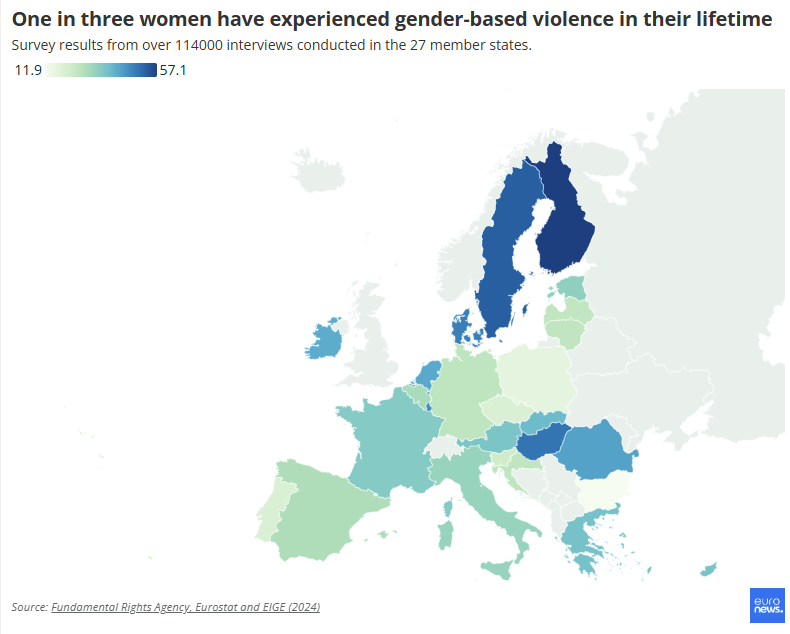
    International Day for the Elimination of Violence against Women

  • Wednesday 26 November 

    European Parliament votes on the deforestation regulation 

  • Thursday 27 November 

    Debate in the European Parliament on the outcome of COP30 


In Spotlight 

Good morning, everyone. Paula Soler here reporting from Brussels with your weekly EU policy lookahead. 


Tuesday is a busy one: the European Commission will roll out a new set of economic and social policy recommendations. 


The autumn package - excuse the jargon - pinpoints the priorities, risks and policy recommendations for national governments to boost growth and reduce public debt. 


The proposals are based on the European Commission’s latest economic forecasts, released earlier this month, which still see growth in the EU despite the tripling of tariffs to 15% tariffs on EU goods imposed by the United States. 


The unbalanced nature of the deal signed during the summer between President Trump and President Ursula von der Leyen had cast concerns about the impact on business activity in Europe, the Commisison however said it had provided stability and cushioned the impact of tariffs. The growth projections are now seen as stronger compared to the spring forecasts. 


“The EU's highly open economy remains susceptible to ongoing trade restrictions, but the trade deals reached between the US and its trading partners, including the EU, have alleviated some of the uncertainties that overshadowed the Spring Forecast,” the Commission said. 


For this year, the EU economy is expected to grow by 1.4%, with Poland and Spain doing much of the heavy lifting. Warsaw and Madrid stand out with projected growth rates of 3.2% and 2.9% in 2025 — well ahead of the European pack. 


Meanwhile, the bloc’s three biggest economies — Germany, France and Italy — are barely growing. 


Still, the Commission warns about the growth outlook over the medium term even if the shock from the initial tariff rate is smaller tha expected. 


In its forecast, the EU's executive arm noted that persistent uncertainty over trade policy continues to weigh on economic activity and has not been fully subsided. It also argues that further escalation of geopolitical tensions could intensify supply shocks. A growing number of climate-related disasters could also hinder growth, the report read, underscoring the impact of green policies even as governments push it down as priority. 


Growth could be boosted, however, through "reforms and the competitiveness agenda, higher defence spending focused on EU production, and new trade agreements could bolster economic activity more than projected”. 


The Commission has put competitiveness at the core of its executive action since von der Leyen secured a second term as chief last year. 


Tomorrow’s package will also include an assessment of employment and social developments across the EU, evaluations of national draft budgets for 2026 and policy advice for eurozone countries. A tricky situation across the union as budgets become a point of tension between government and opposition. France is yet to approve one and Spain is still on hold. 


Stay tuned and follow all the latest updates on Euronews.com. 


Why this ad?

Policy newsmakers

euronews-policy-briefing-newsletter

Anti-deforestation law could be delayed for second time in two years 


MEPs will vote on Thursday on the EU’s anti-deforestation law that requires suppliers of cocoa, coffee, soy, palm oil, wood, rubber, and beef to prove their goods do not contribute to deforestation in exchange for access to the EU market.


The urgent procedure ballot in Strasbourg will take place after the European Council agreed last week on a mandate to postpone the controversial law for the second time.  


Originally set to go into effect in December 2024, the EU deforestation law was delayed last year for 12 months following  criticism from far-right and conservative groups in the European Parliament.  A year later, the bill is still stuck.


Centrist lawmaker Christine Schneider argues regions and products that pose no risk of deforestation should be handled in an “unbureaucratic manner”, so therefore the law is not needed.


Green MEP Marie Toussaint says the “attack” on the deforestation law has revealed the determination of "the right and its far-right allies” to unravel social and environmental protections. The bill is absolutely needed to cement them.


Last month, the European Commission claimed a glitch in the IT system forced it to delay the law until 30 December 2026. Co-legislators are rushing now to avoid the current law from entering into force at the end of the year.  


Machine says no, but will MEPs block it too?


Policy Poll

The European Commission is calling for citizens to be automatically enrolled in private pension plans to help ensure they have an adequate income in retirement.
Yes  
No  

Vote

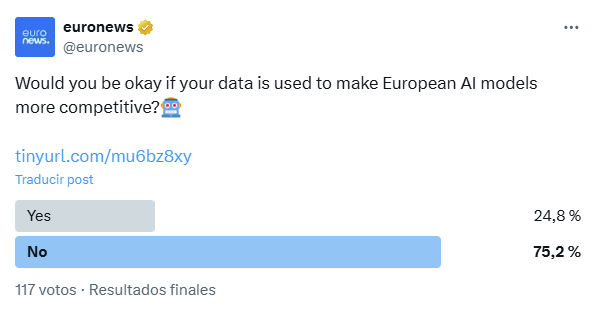
Previous Poll results : 


euronews-policy-briefing-newsletter

Data brief 

euronews-policy-briefing-newsletter

More Policy News

High-stakes showdown looms as US and EU trade member states meet

Read the article


Why this ad?

Are carbon rating agencies the key to avoiding greenwashing?

Read the article

European health systems are failing victims of gender violence, WHO says

Read the article